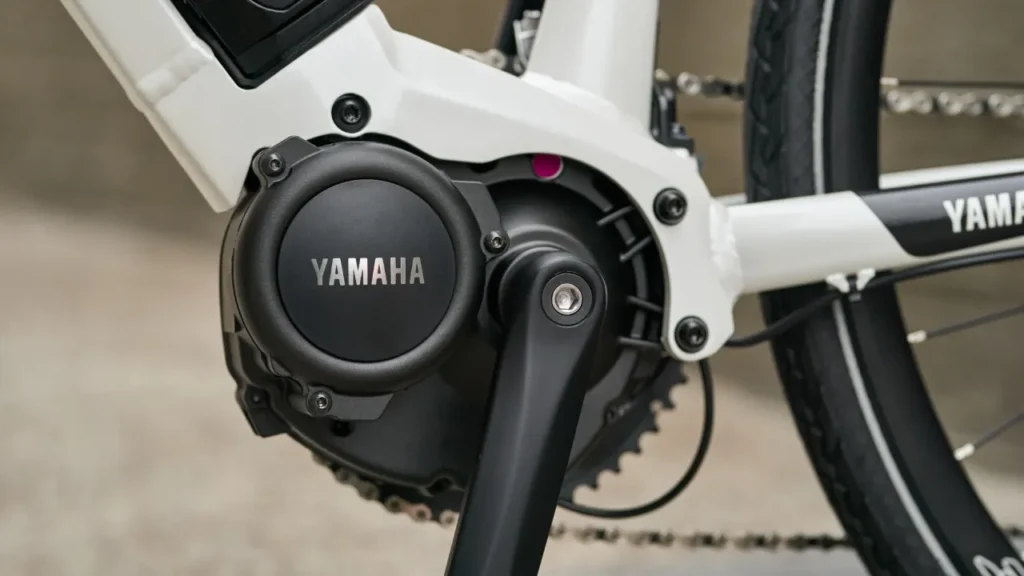
Yamaha has built a strong reputation in India for delivering reliable, performance-oriented two-wheelers that combine durability with practical innovation. Over the years, the brand has gained trust among riders for its engineering quality and user-focused design. Now, the company is expected to expand into the fast-growing electric bicycle segment with a product designed specifically for modern urban commuters.
The upcoming Yamaha Electric Cycle is anticipated to focus on long riding range, lightweight construction, smart features, and competitive pricing. If launched as expected, it could offer a balanced solution for daily city travel without the recurring fuel expenses associated with petrol-powered vehicles.
Clean and Practical Design with Lightweight Frame
The expected design philosophy of the Yamaha electric cycle revolves around simplicity and functionality. Instead of flashy styling, the brand is likely to prioritize a clean structure that ensures durability and comfort. The frame may feature smooth lines and balanced geometry, making it suitable for riders of different age groups.

A lightweight build will likely be one of its key highlights. A lighter frame improves maneuverability in congested traffic and makes handling easier, especially for new riders. For daily commuting in crowded urban streets, this practical approach can significantly enhance usability.
Up to 150KM Riding Range on a Single Charge
One of the most talked-about aspects of this upcoming model is its expected 150KM riding range on a single charge. Range plays a crucial role in electric mobility, particularly for users who rely on their vehicle for daily commuting.
While actual mileage may vary depending on riding mode, terrain, and rider weight, such an extended range could reduce the need for frequent charging. For city users traveling moderate distances daily, this range may comfortably cover multiple days of commuting on a single charge.
Advanced Lithium-Ion Battery and Charging Convenience
The electric cycle is expected to use a high-capacity lithium-ion battery, known for better efficiency and longer service life compared to traditional battery technologies. Lithium-ion batteries typically offer faster charging and lower maintenance requirements, making them ideal for urban mobility solutions.
Charging convenience is also likely to be a key focus. The battery may support home charging through a standard power outlet, allowing users to recharge overnight. If Yamaha includes a removable battery system, it would further enhance practicality for apartment dwellers.
Smooth and Silent Motor Performance
With decades of experience in motor engineering, Yamaha is expected to deliver a refined and silent electric motor optimized for city use. Instead of focusing on aggressive speed, the motor may be tuned for efficiency and smooth acceleration.
The assisted riding modes could allow users to switch between different power levels depending on their needs. This pedal-assist functionality helps conserve battery while offering support during uphill rides or longer commutes.
Smart Digital Features for Modern Riders
Modern electric cycles increasingly integrate smart features, and Yamaha is expected to follow this trend. A digital display panel may provide real-time information such as speed, battery percentage, range estimate, and riding mode selection.

These features improve user awareness and enhance overall riding confidence. Some reports also suggest possible smartphone connectivity for ride tracking or battery monitoring, although official confirmation is still awaited.
Safety and Braking System
Safety remains a key factor in any two-wheeler purchase decision. The Yamaha electric cycle is likely to be equipped with disc brakes on both wheels for improved stopping power. Disc braking systems generally offer better performance in varied weather conditions compared to traditional braking setups.
Additionally, the inclusion of quality tires and stable suspension components may further improve control and riding stability, particularly on uneven urban roads.
Expected Price and Market Positioning
Affordability could play a major role in the success of this model. Industry discussions indicate that Yamaha may position the electric cycle competitively to attract first-time electric vehicle buyers. A reasonable price tag combined with brand reliability could strengthen its appeal in the growing electric mobility segment.
By offering practical features without unnecessary complexity, Yamaha could target students, office commuters, and environmentally conscious riders looking for a cost-effective transportation option.
Specifications (Expected)
Motor Type: Hub-mounted electric motor
Battery Type: High-capacity Lithium-Ion
Claimed Range: Up to 150KM per charge (conditions apply)
Braking System: Dual Disc Brakes
Display: Digital Instrument Panel
Riding Modes: Multiple Pedal-Assist Levels
Charging Time: Expected 4–6 hours (approx.)
Frame: Lightweight Alloy Frame
Potential Impact on the Indian Electric Mobility Market
India’s electric mobility sector continues to grow steadily, especially in urban areas where fuel costs and traffic congestion remain major concerns. Electric cycles are increasingly viewed as a practical alternative for short-distance commuting.
If Yamaha enters this segment with a well-balanced product, it could compete strongly against both domestic and international brands. The company’s established service network and brand credibility may offer an added advantage.

Hi, I’m Hussain, the author and editor behind Propfits. I created this website to share straightforward and trustworthy information about smartphones and automobiles. I enjoy researching new launches, comparing features, and breaking down complex details into simple language that anyone can understand.